Custom Home Building Process Guide for Lower Mainland and Fraser Valley: Your Complete BC Journey
Navigate the exciting journey of building your custom home in British Columbia's Lower Mainland and Fraser Valley with this comprehensive guide, covering everything from lot selection and design to permits, construction, and final inspection.
Introduction: Your Dream Home, Built Your Way in BC
Building a custom home in British Columbia's Lower Mainland and Fraser Valley is an exciting journey, offering the unique opportunity to create a living space perfectly tailored to your vision and lifestyle. From the vibrant urban landscapes of Vancouver to the serene, expansive settings of the Fraser Valley, the process involves a blend of creative design, meticulous planning, and adherence to local regulations. At Budget Contracting, we understand the intricacies of bringing your dream home to life in this diverse region. This comprehensive guide will walk you through every essential step, ensuring you're well-prepared for a successful and rewarding custom home building experience.
Phase 1: Vision, Lot Selection, and Initial Design
Defining Your Vision and Budget
The first step in your custom home journey is to clearly define your vision. What kind of home do you envision? What are your must-have features, architectural style preferences (e.g., Modern, Craftsman, Rancher), and how will the home function for your family? Equally important is establishing a realistic budget. While we don't discuss specific dollar amounts, understanding your financial parameters from the outset is crucial for guiding design decisions and material selections. A well-defined vision and budget will serve as your compass throughout the entire process.
Lot Selection and Site Analysis
Choosing the right lot is foundational to your custom home project. The characteristics of your land will significantly influence design possibilities, construction methods, and overall costs. Key considerations include:
- Zoning and Bylaws: Each municipality in the Lower Mainland and Fraser Valley has specific zoning regulations that dictate what can be built on a property. These include restrictions on building size, height, setbacks (distance from property lines), and lot coverage. Understanding these early can prevent costly redesigns.
- Site Topography: The slope and elevation of your lot can impact foundation requirements, drainage, and landscaping. Steep slopes, for instance, may necessitate specialized engineering and construction techniques.
- Geotechnical Conditions: A geotechnical report may be required to assess soil conditions, especially on sloped or filled sites. This report informs foundation design and ensures structural stability.
- Servicing: Verify access to essential utilities such as water, sewer, electricity, and natural gas. The cost and complexity of bringing these services to your lot can vary significantly.
- Environmental Factors: Consider any environmental sensitivities, such as proximity to water bodies, protected trees, or flood plains, which may impose additional regulations or design constraints.
At Budget Contracting, we assist clients with thorough site analysis, checking against local zoning and building codes, and identifying any hidden restrictions like right-of-ways or covenants, that could impact your home's design and placement.
Choosing Your Design Team
Selecting the right architect or home designer is paramount. They will translate your vision into detailed plans that comply with all local regulations and building codes. Look for professionals with experience in the Lower Mainland and Fraser Valley, as they will be familiar with regional nuances and municipal requirements.
Phase 2: Design Development and Permitting
Detailed Design and Engineering
Once your initial concept is established, the design team will develop detailed architectural drawings, including floor plans, elevations, and sections. This phase also involves engaging various engineers (structural, mechanical, electrical) to ensure the home's safety, efficiency, and compliance with the BC Building Code. Key considerations during this stage include:
- BC Building Code (BCBC): The BCBC sets minimum standards for safety, energy efficiency, and durability. Most detached custom homes fall under "Part 9" of the code, which covers small residential buildings. Your design must adhere to the current BCBC edition, which applies to permit applications made on or after March 8, 2024.
- BC Energy Step Code: This provincial regulation sets performance targets for energy efficiency and airtightness, impacting insulation levels, window performance, and mechanical systems. Your home will need to meet a specific "Step" depending on your municipality and the permit application date. Planning for these requirements early can lead to better comfort and energy savings without mid-project surprises.
- Environmental Standards: Vancouver and other municipalities have specific environmental considerations, such as stormwater management requirements (e.g., rain gardens, permeable paving) and tree protection bylaws. These must be integrated into the design.
Navigating the Permit Process
Obtaining the necessary permits is a critical, multi-step process that ensures your home meets all safety and regulatory standards. This can often be the longest phase of the pre-construction journey. Common permits include:
- Building Permit: Required for the construction of new structures.
- Development Permit (if applicable): Some properties, especially those with specific environmental or design guidelines, may require a separate development permit before a building permit can be issued.
- Plumbing Permit: For all plumbing installations.
- Electrical Permit: Ensures electrical systems meet safety standards.
- Demolition Permit: If an existing structure needs to be removed.
Each municipality has its own application process, submission requirements, and review timelines. For example, permit timelines can range from a few weeks in some Fraser Valley municipalities to several months in the City of Vancouver. A complete and well-coordinated submission, often prepared by your builder or design team, can significantly expedite this process. Budget Contracting assists with coordinating designers, engineers, and energy advisors to ensure your submission is thorough and compliant, minimizing delays.
Phase 3: Construction
Site Preparation and Foundation
Once permits are secured, construction begins with site preparation. This involves clearing the land, excavation, and laying the foundation. The type of foundation will depend on your home's design, soil conditions (as determined by the geotechnical report), and site topography. Proper drainage and waterproofing are crucial at this stage to protect your home from the region's climate.
Framing and Rough-Ins
With the foundation in place, the framing of your home's structure commences. This is when the skeleton of your dream home takes shape. Following framing, the "rough-ins" occur, which involve installing the hidden systems within the walls, ceilings, and floors:
- Electrical Rough-in: Wiring for outlets, switches, lighting, and appliances.
- Plumbing Rough-in: Pipes for water supply and drainage.
- HVAC Rough-in: Ductwork for heating, ventilation, and air conditioning systems.
- Insulation and Airtightness: Installation of insulation and air barriers to meet BC Energy Step Code requirements. This often includes mid-construction blower-door testing to verify airtightness.
Exterior and Interior Finishing
After the rough-ins and insulation are complete, the exterior of your home is enclosed with roofing, windows, doors, and exterior cladding. This protects the interior from the elements and begins to reveal the aesthetic of your home. Concurrently, interior finishing work begins, including:
- Drywall installation and finishing
- Flooring installation
- Cabinetry and countertops
- Painting
- Installation of light fixtures, plumbing fixtures, and trim work
Quality Control and Inspections
Throughout the construction phase, regular inspections by municipal building officials are mandatory at various checkpoints (e.g., footings, foundation, framing, insulation, final). These inspections ensure that construction adheres to the approved plans and the BC Building Code. Your builder will coordinate these inspections and address any findings promptly. At Budget Contracting, we conduct builder-led pre-inspections to minimize re-inspection risks and keep your project on schedule.
Phase 4: Final Touches, Occupancy, and Warranty
Landscaping and Exterior Work
As the interior nears completion, attention turns to exterior finishes and landscaping. This includes driveways, pathways, decks, patios, and soft landscaping elements like gardens and lawns. These elements not only enhance your home's curb appeal but also contribute to site drainage and overall functionality.
Final Inspections and Occupancy Permit
Before you can move into your new home, a final inspection by the municipality is required. Once all aspects of the construction are deemed compliant with the BC Building Code and approved plans, an occupancy permit is issued. This permit signifies that your home is safe and ready for habitation.
Home Warranty Insurance
In British Columbia, new homes built by licensed residential builders are protected by mandatory home warranty insurance, typically providing 2-5-10 year coverage. This includes:
- 2 years on labour and materials
- 5 years on the building envelope
- 10 years on the structural components
Budget Contracting is a licensed residential builder, ensuring your investment is protected by comprehensive warranty coverage through BC Housing's Licensing & Consumer Services.
How to Choose the Right Custom Home Builder
Selecting a reputable and experienced custom home builder is perhaps the most critical decision you'll make. Here's what to look for:
- Licensing and Credentials: Ensure the builder is a licensed residential builder with BC Housing. This confirms they meet provincial standards for technical competency and financial solvency.
- Experience in the Region: A builder familiar with the Lower Mainland and Fraser Valley will have a better understanding of local bylaws, climate considerations, and a network of trusted local trades.
- Portfolio and References: Review their past projects and speak with previous clients to assess their quality of work, communication style, and project management capabilities.
- Transparency and Communication: Choose a builder who provides clear contracts, detailed budgets, and maintains open lines of communication throughout the project.
- Comprehensive Services: A builder who can guide you from initial concept through to occupancy, including permit coordination and warranty support, offers a more seamless experience.
Questions to Ask Your Custom Home Builder
When interviewing potential builders, consider asking the following:
- "Are you a licensed residential builder with BC Housing?"
- "Can you provide references from recent custom home projects in this area?"
- "How do you manage the permitting process and ensure compliance with local bylaws and the BC Energy Step Code?"
- "What is your communication process throughout the build? How often can I expect updates?"
- "How do you handle changes or unforeseen issues during construction?"
- "What is included in your warranty, and what is the process for addressing warranty claims?"
- "Can you provide a detailed breakdown of the project timeline and payment schedule?"
Custom Home Building Timeline Overview
Building a custom home is a significant undertaking, and timelines can vary widely based on complexity, municipality, and unforeseen circumstances. However, a general overview can help set expectations:
| Phase | Estimated Duration | Key Activities |
|---|---|---|
| Vision & Lot Selection | 1-3 Months | Defining vision, budget, lot search, site analysis, initial consultations. |
| Design & Permitting | 6-12 Months | Detailed architectural and engineering design, permit application submission and review, municipal approvals. |
| Construction | 9-18 Months | Site preparation, foundation, framing, rough-ins, exterior and interior finishing, ongoing inspections. |
| Final Touches & Occupancy | 1-2 Months | Landscaping, final municipal inspections, occupancy permit, move-in. |
| Total Project Duration | 17-35 Months | From initial concept to moving into your new custom home. |
Frequently Asked Questions (FAQs)
Q1: How much does it cost to build a custom home in the Lower Mainland/Fraser Valley?
A1: The cost of building a custom home is a significant investment and is highly dependent on numerous factors, including the size and complexity of the design, chosen materials and finishes, site conditions, and specific municipal requirements. For a detailed estimate tailored to your project, please contact Budget Contracting for a free quote.
Q2: How long does the custom home building process typically take?
A2: The entire process, from initial design to move-in, can range from 17 to 35 months. This includes time for design, permitting, and construction. Specific timelines are influenced by project complexity, municipal review periods, and weather conditions. We work diligently to keep your project on track.
Q3: Do I need an architect or can I use a home designer?
A3: Both architects and home designers can create plans for your custom home. The choice often depends on the complexity and uniqueness of your vision. Architects typically handle more complex or unconventional designs, while home designers are well-suited for more standard custom homes. Regardless, ensure your chosen professional is experienced and understands local building codes.
Q4: What is the BC Energy Step Code, and how does it affect my build?
A4: The BC Energy Step Code is a provincial regulation aimed at making new buildings more energy-efficient. It sets performance targets for your home's energy consumption and airtightness. Meeting these steps involves specific design choices for insulation, windows, and heating systems, ultimately leading to a more comfortable and energy-efficient home. Your builder will ensure your design meets the required Step for your area.
Q5: What kind of warranty coverage can I expect for my new custom home?
A5: In British Columbia, new custom homes built by licensed residential builders are protected by mandatory home warranty insurance. This typically provides 2 years on labour and materials, 5 years on the building envelope, and 10 years on the structural components. Budget Contracting is a licensed builder, ensuring your home is covered.
Q6: How do I get started with building my custom home?
A6: The best way to start is by defining your vision and budget, and then contacting an experienced custom home builder like Budget Contracting. We can guide you through lot selection, design considerations, and the entire building process. Reach out to us via phone at 604-343-1985, email at [email protected], or fill out our free estimate form to begin your journey.
Ready to Build Your Dream Home?
Building a custom home in the Lower Mainland or Fraser Valley is a significant and rewarding investment. With the right planning, design, and an experienced builder, your vision can become a reality. At Budget Contracting, we are committed to delivering exceptional quality and a seamless building experience. Contact us today to discuss your custom home project and let us help you build the home you've always dreamed of.
Phone: 604-343-1985
Email: [email protected]
Free Estimate Form: [Link to Free Estimate Form]
Ready to Start Your Project?
Budget Contracting serves all of Lower Mainland and Fraser Valley. Contact us today for a free, no-obligation estimate.
Related Articles
Get a Free Estimate
Serving all of Lower Mainland and Fraser Valley. No obligation, no pressure.
[email protected]Recent Articles
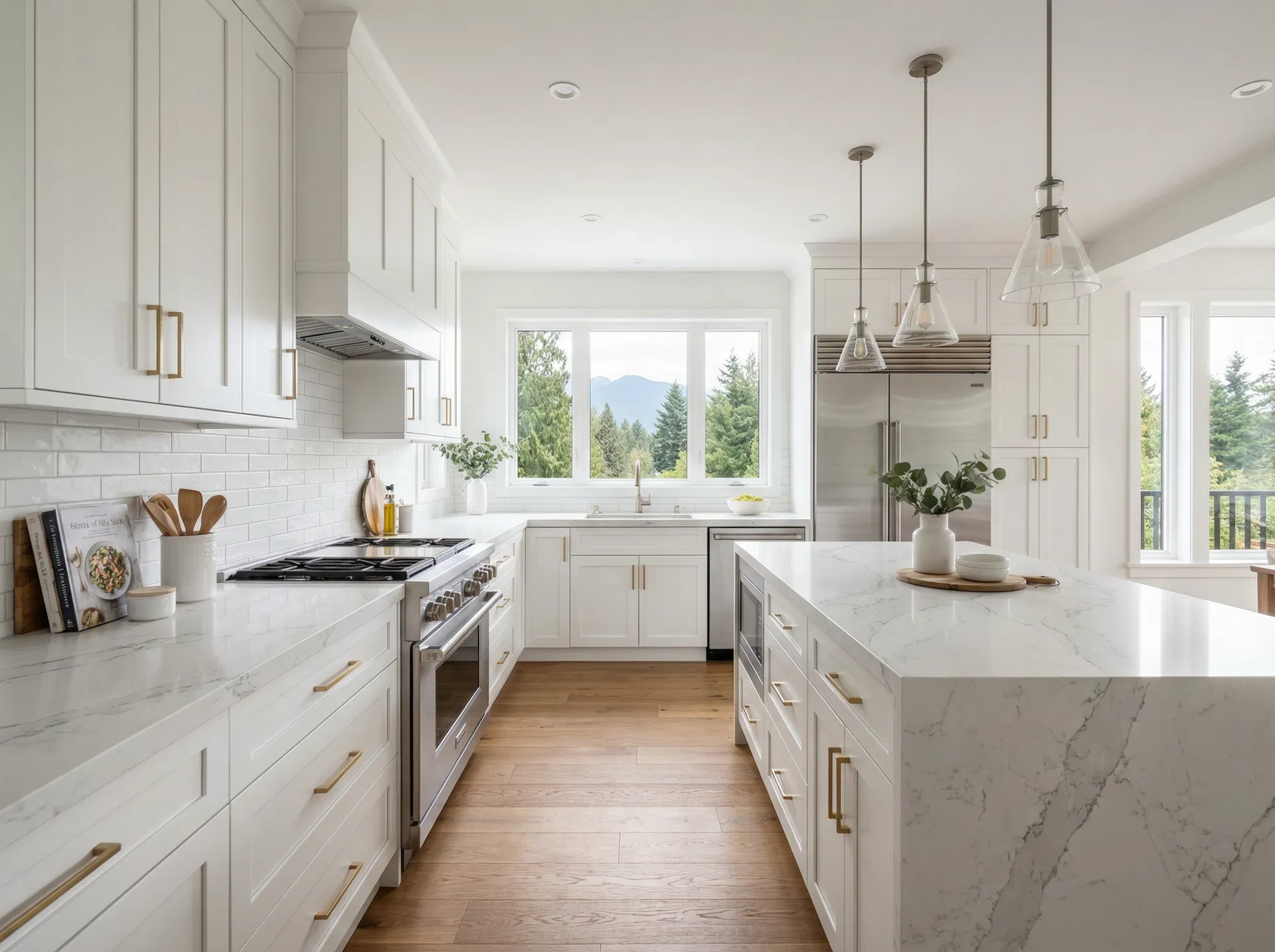
Kitchen Renovation Cost in North Vancouver: A Complete 2025 Guide
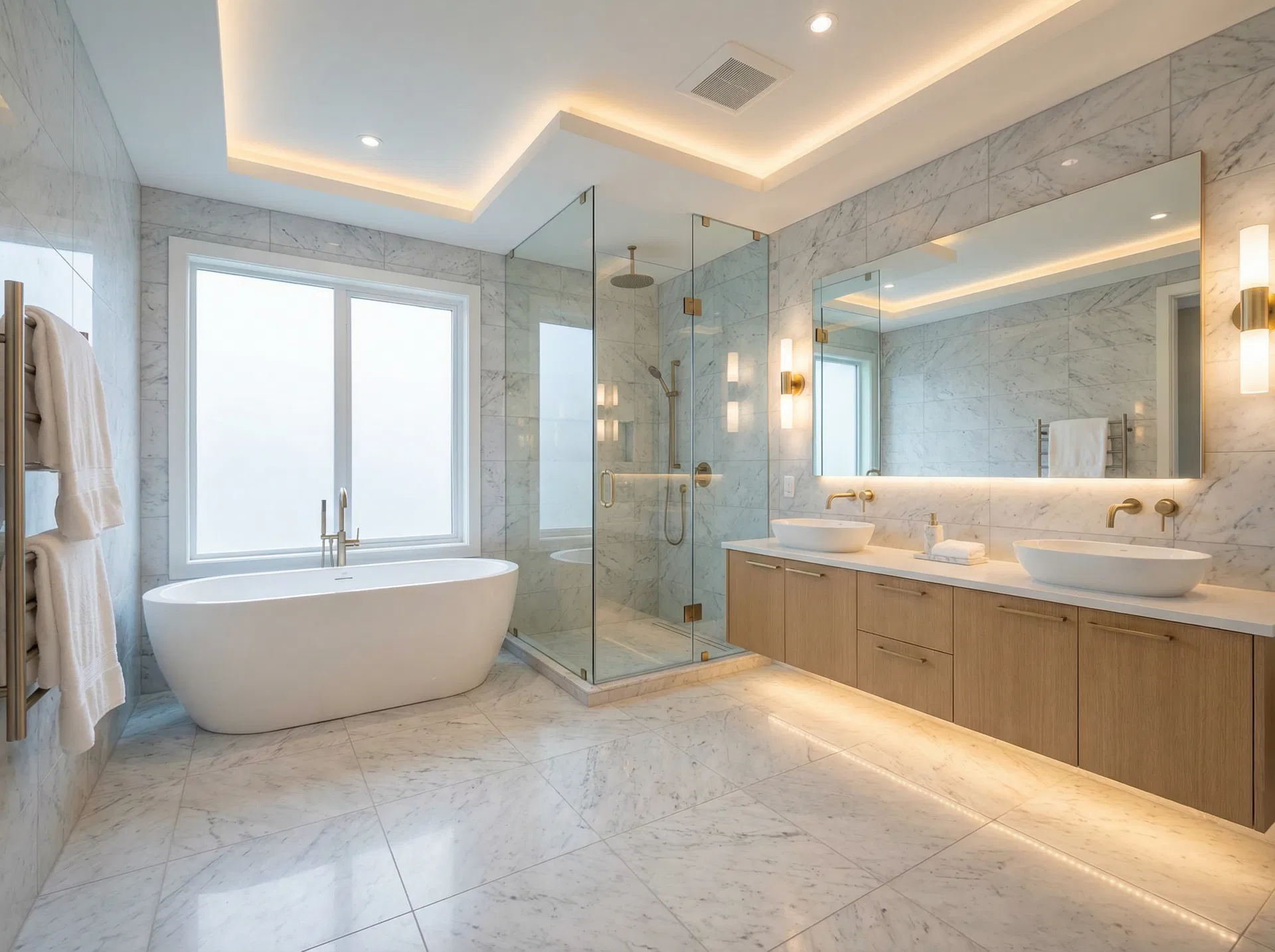
Bathroom Renovation Cost in North Vancouver: What to Expect in 2025
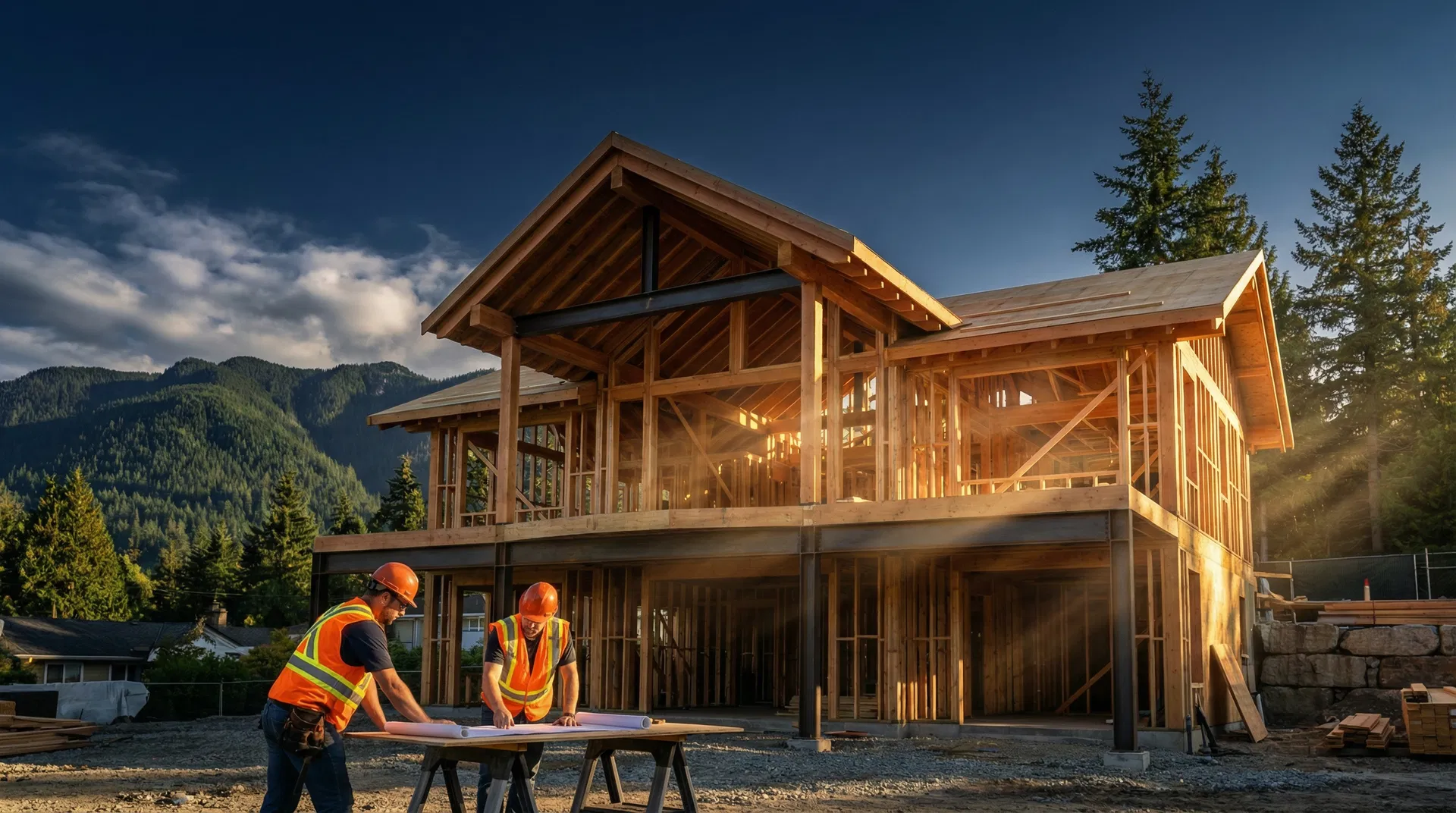
How to Choose a General Contractor in North Vancouver: A Homeowner's Guide
Basement Suite Development in Lower Mainland and Fraser Valley: The Complete 2025 Guide
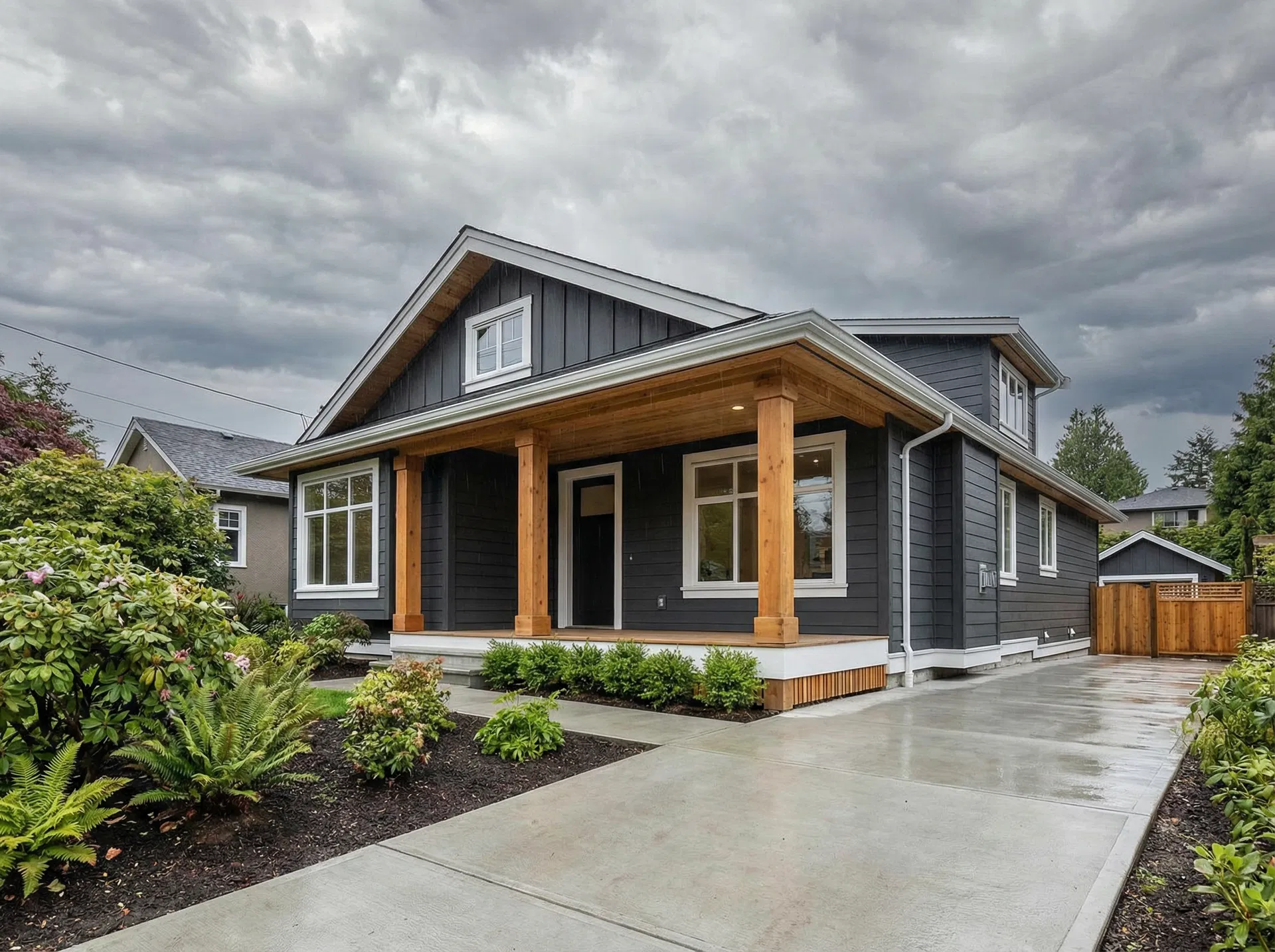
Home Addition Guide for Lower Mainland and Fraser Valley: Costs, Permits, and What to Expect