Condo Renovation Guide for Vancouver and Lower Mainland: Strata Approval, Permits, and Best Practices
This comprehensive guide from Budget Contracting provides essential information for condo owners in Vancouver and the Lower Mainland planning renovations, covering strata approval, permit requirements, popular renovation types, noise restrictions, and working with strata.
Condo Renovation Guide for Vancouver and Lower Mainland
Renovating a condo in Vancouver and the Lower Mainland presents a unique set of opportunities and challenges. Unlike single-family homes, condo renovations involve navigating strata bylaws, municipal permit requirements, and considerations for shared living spaces. This comprehensive guide from Budget Contracting will walk you through the essential steps and considerations for a successful condo renovation, ensuring your project enhances your living space while adhering to all necessary regulations.
Understanding Strata Bylaws and What You Can (and Cannot) Change
Before any renovation work begins, the most critical first step for condo owners in British Columbia is to thoroughly review their strata corporation's bylaws [1]. These bylaws are legally binding rules that govern the operation of the strata and the use of individual units. They often contain specific restrictions and requirements regarding renovations that can significantly impact your project.
The Importance of Strata Approval
Most substantial renovations within a condo unit will require formal approval from your strata council. This process is in place to protect the structural integrity of the building, maintain consistent aesthetic standards, and minimize disruption to other residents. Failing to obtain strata approval can lead to significant penalties, including fines, stop-work orders, and even the requirement to reverse completed work at your own expense [1].
Common areas where strata approval is typically required include:
- Structural Changes: Any alteration to load-bearing walls, columns, or other structural elements of the building. These changes almost always require engineering assessments and permits from the City of Vancouver or relevant municipality.
- Plumbing and Electrical Systems: Modifications to existing plumbing lines, fixtures, or electrical wiring often necessitate strata approval due to their potential impact on shared building systems and safety.
- Flooring Changes: Many strata bylaws specify acceptable flooring materials, particularly in upper units, to mitigate noise transmission to units below. Hard surface flooring may require specific soundproofing underlayment.
- Exterior Alterations: Changes to balconies, windows, or any part of the building's exterior are generally prohibited as these are common property.
- HVAC Systems: Alterations to heating, ventilation, and air conditioning systems that are part of the building's common property.
What You Can Generally Change Without Extensive Approval
While strata bylaws can be extensive, many cosmetic upgrades typically do not require explicit strata approval, though it's always prudent to inform your strata council of any planned work. These often include:
- Painting walls
- Replacing cabinet doors (without altering the cabinet structure)
- Installing new light fixtures (without changing electrical wiring)
- Replacing appliances (without altering plumbing or electrical hookups)
However, even for these seemingly minor changes, it is crucial to consult your strata bylaws. Some stratas have stricter rules than others, and what is permissible in one building may not be in another [1].
Permit Requirements in Vancouver and the Lower Mainland
Beyond strata approval, many condo renovations in Vancouver and the Lower Mainland require permits from the local municipality. These permits ensure that your renovation complies with the British Columbia Building Code and local zoning bylaws, safeguarding the safety and habitability of your unit and the building as a whole [2].
When is a Permit Required?
A permit is typically required for any renovation work that involves:
- Structural Modifications: Removing or altering load-bearing walls, adding new openings, or making changes to the building's foundation.
- Plumbing Changes: Relocating or adding new plumbing fixtures, altering drain lines, or making significant changes to the water supply system.
- Electrical Upgrades: Installing new electrical circuits, relocating outlets or switches, or upgrading your electrical panel.
- Mechanical Systems: Changes to heating, ventilation, or air conditioning systems.
- Exterior Alterations: (Less common for condos, but applicable if your unit includes a private exterior space and changes are permitted by strata) Alterations to balconies, patios, or windows.
Cosmetic changes such as painting, wallpapering, or replacing existing flooring (without structural changes or impact on sound transmission) generally do not require a municipal permit [2]. However, always verify with your local municipal building department or a qualified contractor like Budget Contracting to confirm the specific requirements for your project.
Popular Condo Renovations and Key Considerations
Condo renovations offer an excellent opportunity to personalize your space and enhance its functionality. Some of the most popular renovation projects include kitchen, bathroom, and flooring upgrades.
Kitchen Renovations
Kitchen renovations are among the most impactful condo upgrades. They can significantly improve the aesthetics and efficiency of your home. Key considerations for condo kitchen renovations include:
- Layout Changes: Moving walls or altering the kitchen's footprint will almost certainly require strata approval and potentially municipal permits due to structural, plumbing, and electrical implications.
- Appliance Upgrades: Ensure new appliances fit within existing spaces and that electrical and plumbing connections are compatible. Upgrading to gas appliances from electric will involve significant work and approvals.
- Ventilation: Proper ventilation is crucial in condos. Ensure any changes to range hoods or exhaust systems comply with strata rules and building codes.
Bathroom Renovations
Bathroom renovations can transform a dated space into a spa-like retreat. However, they carry a higher risk of water damage, making strata and permit compliance particularly important [3].
- Plumbing Relocation: Moving toilets, sinks, or showers is a major undertaking that requires both strata approval and municipal plumbing permits. It also increases the risk of water damage to units below [3].
- Waterproofing: Ensure all wet areas are properly waterproofed to prevent leaks and comply with building codes. This is a critical aspect of condo bathroom renovations.
- Ventilation: Adequate ventilation is essential to prevent mold and mildew. Upgrading or installing new exhaust fans may require electrical permits.
Flooring Upgrades
Flooring changes are a common renovation, but they are heavily regulated by strata bylaws, especially for units above the ground floor. The primary concern is noise transmission.
- Soundproofing: Many stratas require specific sound transmission ratings (STC and IIC) for new flooring installations. This often means installing specialized acoustic underlayment, particularly for hard surfaces like hardwood, laminate, or tile.
- Material Restrictions: Some stratas may prohibit certain types of flooring altogether or specify approved materials. Always check your bylaws before purchasing materials.
Noise Restrictions and Working with Strata
Living in a shared building means adhering to noise restrictions and maintaining good communication with your strata council and neighbours. This is paramount for a smooth renovation process.
Understanding Noise Bylaws
Vancouver and Lower Mainland municipalities, along with strata corporations, have strict bylaws regarding construction noise. Typically, noisy work is restricted to weekdays during specific business hours, often 8 AM to 5 PM or 9 AM to 6 PM, with some allowance for Saturday work (e.g., 9 AM to 5 PM) and generally no work on Sundays or holidays [3]. It is imperative to confirm these hours with your specific strata and municipality.
Effective Communication with Strata
Working collaboratively with your strata council is key to a successful renovation. Here are some best practices:
- Early Engagement: Inform your strata council of your renovation plans as early as possible. Provide detailed plans, including scope of work, materials, and proposed timelines.
- Formal Submissions: Submit all required documentation for approval in writing. This creates a clear record of communication and approvals.
- Contractor Information: Provide your strata with details about your licensed contractor, including their insurance and business license information.
- Deposits and Fees: Be prepared for potential renovation deposits, move-in/move-out fees, and elevator booking charges that your strata may require.
- Neighbour Notification: Proactively inform your immediate neighbours about the upcoming renovation, including the expected duration and any potential disruptions. A little courtesy goes a long way.
Renovation Approval Process Overview
To summarize, navigating the condo renovation approval process involves several key steps. The following table outlines a typical process, though specific details may vary based on your strata and municipality.
| Step | Description | Key Actions |
|---|---|---|
| 1. Review Strata Bylaws | Understand your building's specific rules and restrictions for renovations. | Obtain and read your strata's current bylaws and rules. |
| 2. Initial Project Planning | Define your renovation scope, desired changes, and potential impact. | Consult with a qualified contractor (like Budget Contracting) for feasibility and design. |
| 3. Strata Council Submission | Present detailed plans to your strata council for formal approval. | Submit architectural drawings, material specifications, contractor details, and insurance. |
| 4. Obtain Municipal Permits | Apply for necessary building, electrical, and plumbing permits from your city. | Work with your contractor to prepare and submit permit applications. |
| 5. Schedule Work & Notify | Coordinate renovation timing, adhere to noise restrictions, and inform neighbours. | Book elevators, post notices, and ensure contractor is aware of work hour limitations. |
| 6. Renovation Execution | Carry out the renovation work, ensuring compliance with all approvals and codes. | Supervise work, ensure inspections are conducted, and maintain communication with strata. |
| 7. Final Inspections | Arrange for final municipal and/or strata inspections as required. | Ensure all work passes inspection and obtain final occupancy permits if applicable. |
Frequently Asked Questions (FAQs)
Q1: How long does the strata approval process typically take?
A1: The duration of strata approval can vary significantly, ranging from a few weeks to several months, depending on the complexity of your project and your strata council's meeting schedule. It is advisable to initiate the approval process well in advance of your desired start date. Clear and comprehensive submissions can help expedite the process.
Q2: Can I do some of the renovation work myself?
A2: While some cosmetic work like painting or minor repairs can often be done by the owner, any work involving structural changes, plumbing, or electrical systems typically requires a licensed and insured contractor. Your strata bylaws and municipal codes will dictate what work can be performed by a homeowner. For your safety and to ensure compliance, it's always best to consult with professionals.
Q3: What happens if I start renovations without strata approval or permits?
A3: Starting renovations without the necessary strata approval or municipal permits can lead to serious consequences. These may include stop-work orders, significant fines from both your strata and the municipality, and the potential requirement to dismantle or reverse any unauthorized work. It can also complicate future property sales and insurance claims. Always secure all approvals before commencing work.
Q4: How can I minimize disruption to my neighbours during a renovation?
A4: Minimizing disruption involves several proactive steps: adhere strictly to noise restriction hours, provide advance notice to neighbours about your project, ensure your contractor maintains a clean work site, and manage waste disposal efficiently. Good communication and consideration for those around you can greatly improve the renovation experience for everyone.
Q5: What is the typical cost of a condo renovation in Vancouver?
A5: The cost of a condo renovation in Vancouver can vary significantly depending on the scope of work, the quality of materials chosen, and the complexity of the design. A minor cosmetic update will be a much different investment than a full kitchen or bathroom remodel involving structural changes. For an accurate estimate tailored to your specific project, we recommend contacting Budget Contracting for a free consultation and detailed quote.
Ready to Transform Your Condo?
Navigating condo renovations in Vancouver and the Lower Mainland requires careful planning, adherence to regulations, and expertise. Budget Contracting specializes in guiding condo owners through every step of the process, from initial concept and strata approval to permit acquisition and expert execution. Our team ensures your renovation is seamless, compliant, and delivers the stunning results you envision.
Contact Budget Contracting today for a free estimate on your condo renovation project. Call us at 604-343-1985, email us at [email protected], or fill out our free estimate form on our website. Let us help you create the condo of your dreams.
References
[1] Condo Renovation Rules in Vancouver: What Homeowners Must Know - Tiger Ring Construction [2] Condo Renovation Regulations and Permits in Vancouver – Essential Guide For Residents - Enzo Design Build [3] Vancouver Condo Renovation Rules 2026: Complete Strata Approval Guide - reVISION Design + Build
Ready to Start Your Project?
Budget Contracting serves all of Lower Mainland and Fraser Valley. Contact us today for a free, no-obligation estimate.
Related Articles
Get a Free Estimate
Serving all of Lower Mainland and Fraser Valley. No obligation, no pressure.
[email protected]Recent Articles
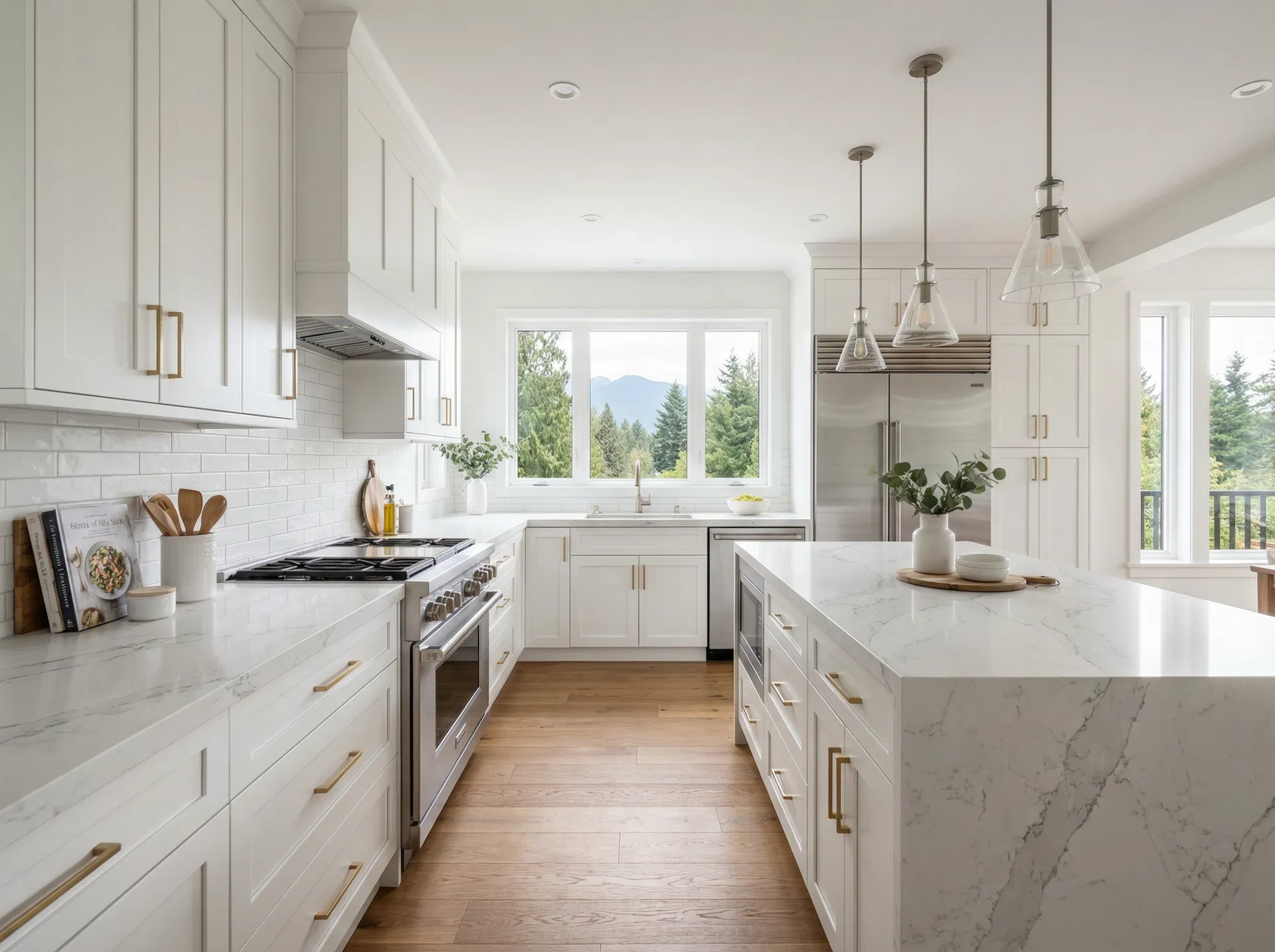
Kitchen Renovation Cost in North Vancouver: A Complete 2025 Guide
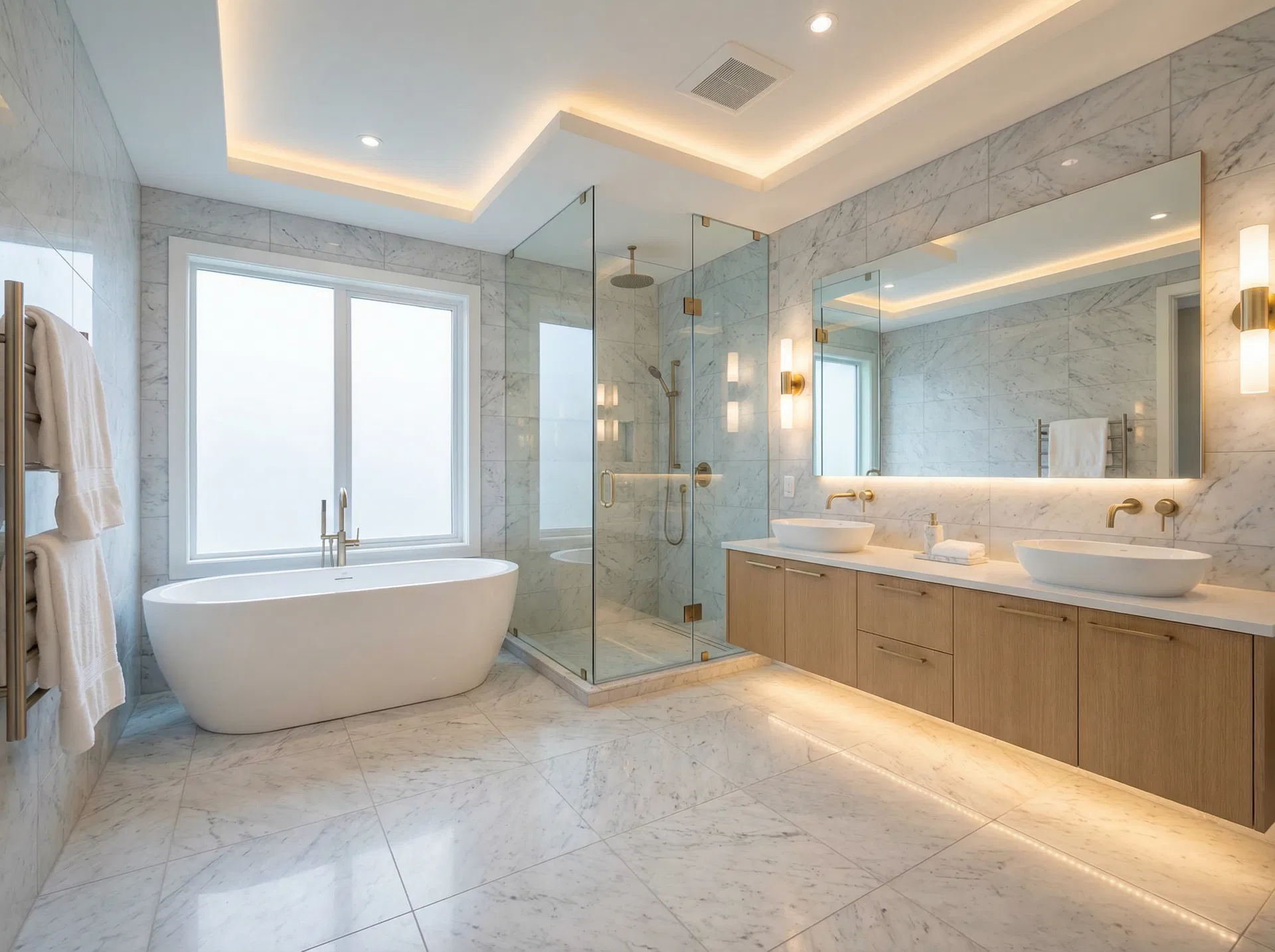
Bathroom Renovation Cost in North Vancouver: What to Expect in 2025
How to Choose a General Contractor in North Vancouver: A Homeowner's Guide
Basement Suite Development in Lower Mainland and Fraser Valley: The Complete 2025 Guide
Home Addition Guide for Lower Mainland and Fraser Valley: Costs, Permits, and What to Expect